

Ultimate Parent Guide • Montessori Learning • Brain Development
If you’re serious about your child’s development, the toys you choose today can shape their intelligence, confidence, and creativity for years to come. Montessori toys aren’t just toys — they are tools designed to unlock your child’s full potential.
Why most toys fail your child’s development
Let’s be real — most toys are designed for entertainment, not growth.
- Too many lights, sounds, and distractions
- No real skill-building
- Short attention span engagement
This leads to:
- Poor focus
- Reduced creativity
- Dependency on external stimulation
The problem isn’t your child — it’s the type of toys.
Why Montessori toys are a game-changer
- Encourage independent learning
- Develop real-life skills
- Promote deep focus
- Support brain development
👉 Explore Montessori toys collection
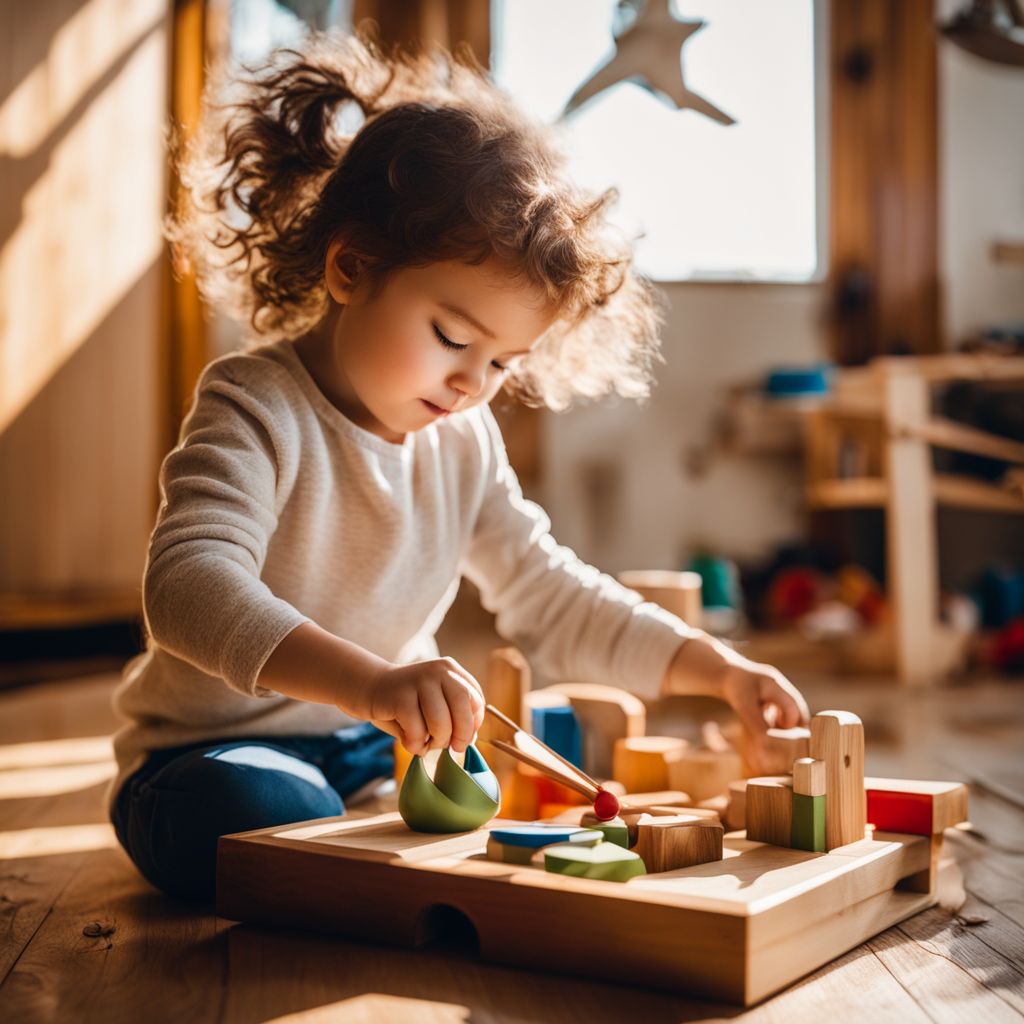
What are Montessori toys?
Montessori toys are designed to help children learn through hands-on exploration and independent play.
- They are simple but purposeful
- They require active thinking
- They promote self-discovery
Insight: Montessori toys support cognitive development, independence, and problem-solving through hands-on learning and self-directed play.
The science behind Montessori toys
Research shows that early brain development happens rapidly in the first 3 years.
- 80% of brain development happens early
- Sensory experiences shape neural connections
- Hands-on play strengthens learning
Montessori toys are built around these principles.
Key benefits of Montessori toys
1. Improves brain development
Montessori toys stimulate both sides of the brain through active play.
2. Builds independence
Children learn to make decisions and solve problems on their own.
3. Enhances focus
Simple designs reduce distractions and improve concentration.
4. Develops motor skills
Hands-on interaction strengthens coordination and control.
5. Boosts creativity
Open-ended toys encourage imagination and innovation.
Why natural materials matter
- Better sensory experience
- Safer and non-toxic
- Eco-friendly and durable
Wooden toys, in particular, provide a richer learning experience than plastic ones.
Montessori toys by age
0–6 months
- Sensory balls
- Mobiles
- Soft rattles
6–12 months
- Stacking toys
- Teething rings
- Mirror toys
1–2 years
- Sorting toys
- Simple puzzles
- Push toys
2–3 years
- Building blocks
- Climbing toys
- Pretend play sets
3+ years
- STEM toys
- Creative kits
- Advanced puzzles
How to create a Montessori play environment
- Use open shelves
- Keep toys minimal
- Rotate toys regularly
- Encourage independent access
This builds responsibility and focus.
Common mistakes parents make
- Buying too many toys
- Choosing overstimulating toys
- Ignoring age appropriateness
Keep it simple and intentional.
Long-term benefits of Montessori toys
- Better academic performance
- Stronger problem-solving skills
- Higher confidence and independence
- Improved social skills
These benefits last far beyond childhood.
Invest in your child’s future today
Choose toys that build intelligence, confidence, and creativity — not just entertainment.
Shop Montessori Toys NowFrequently Asked Questions
What makes Montessori toys different?
They focus on hands-on learning, independence, and skill development rather than passive entertainment.
Are Montessori toys worth it?
Yes. They provide long-term developmental benefits and better engagement.
Do Montessori toys improve intelligence?
They support brain development, problem-solving, and critical thinking skills.
How many toys should my child have?
Fewer high-quality toys are better for focus and engagement.
Are wooden toys better?
Yes. They are durable, safe, and provide better sensory feedback.
When should I start Montessori toys?
You can start from infancy with simple sensory toys.
Do these toys help with focus?
Yes. Their simple design encourages deep concentration.
Can Montessori toys be used at home?
Absolutely. They are perfect for creating a learning-friendly environment.


